



Common HyperShelf Questions
▼ What is a HyperShelf?
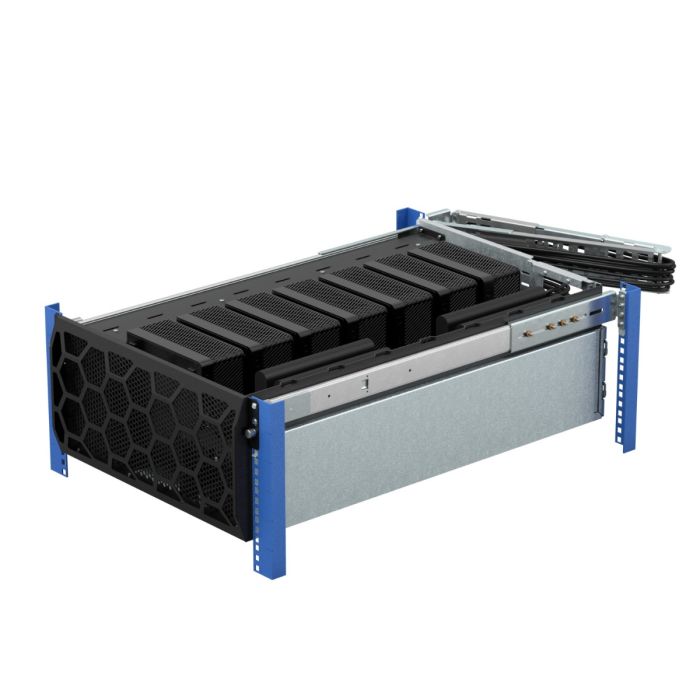
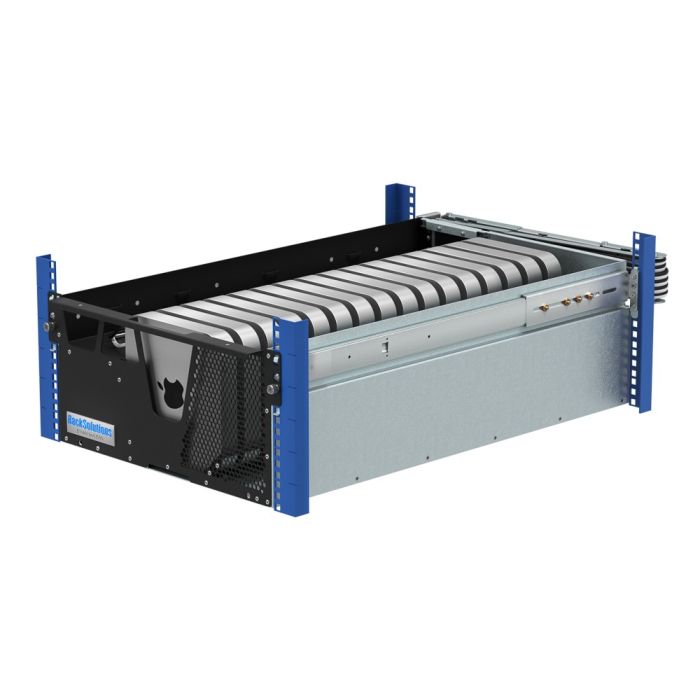
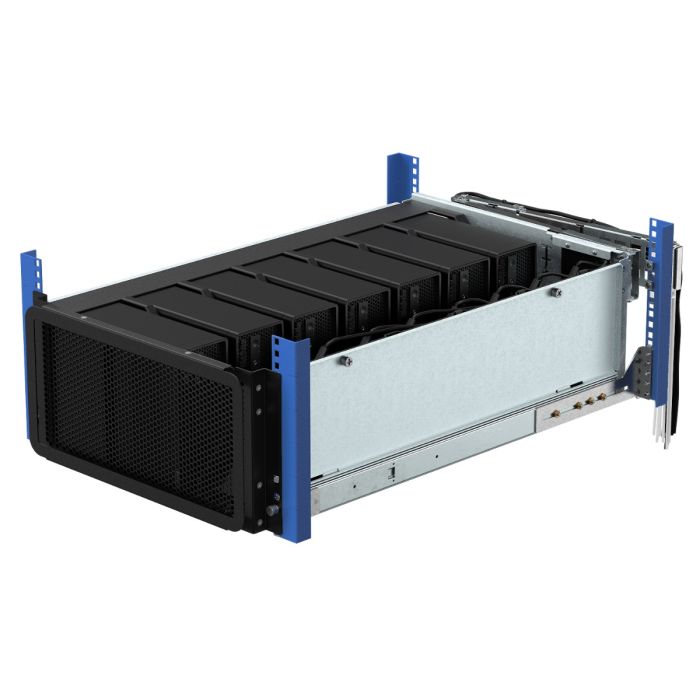
HyperShelves are a high density and cost saving PC rack mounting solution for enterprise deployments and hyperscale data center environments. Instead of using multiple 1U rack shelves to manage your devices, a HyperShelf is perfect for increasing shelf density, decreasing deployment times, and achieving a massive amount of computing power in limited space.
▼ What are HyperShelves used for?
In large scale enterprise deployments, a HyperShelf is used to enhance airflow, cable management, and machine density. HyperShelves allows you to mount as many small form factor (SFF) PCs in a rack shelf while running at full load. You can easily extend the shelf out of the rack for in-rack serviceability and replacement of the devices. By using any of our HyperShelves, you can maximize space, accessibility, and operational efficiency.
▼ How do I manage airflow in my HyperShelf?
Designed to effectively manage airflow, all of our HyperShelves feature integrated airflow for optimal cooling and thermal efficiency. The intake and exhaust separates hot and cold air from mixing, which helps to increase airflow and cooling capacity. By using a HyperShelf, you can be sure that your computing devices will not overheat and maintain performance.
▼ Testing on virtual machines or real devices?
Developers and testers will either test on virtual machines or physical devices when developing apps, software, and websites. When testing on virtual machines, they are able to monitor how the software is performing on a specific device. However, a virtual machine limits the type of hardware simulation that is available for testing, so the results are not always consistent or reliable. When testing on real devices, they can accurately monitor software performance. Instead of receiving a false positive through a simulator, they will be able to immediately catch errors before deployment.